
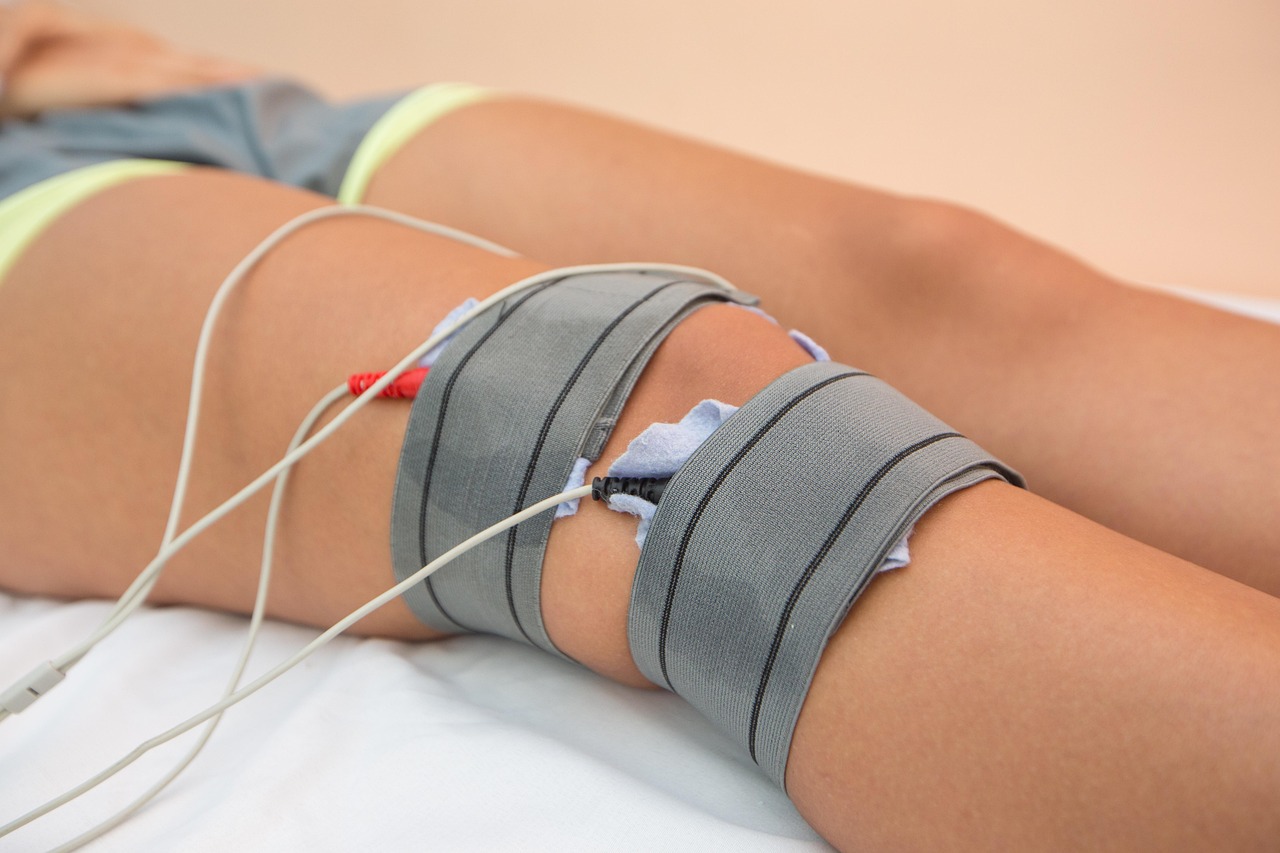
Pushing your body to its limits during workouts or intense physical activity is rewarding, but neglecting recovery can lead to fatigue, injury, and stalled progress. A quick and effective recovery routine is crucial for optimizing performance, reducing muscle soreness, and staying consistent with your fitness goals. This post will guide you through developing a personalized quick recovery routine, empowering you to bounce back stronger and faster after every workout.
Prioritize Active Recovery
What is Active Recovery?
Active recovery involves performing low-intensity exercise after more strenuous workouts. It’s about keeping your body moving to promote blood flow and nutrient delivery to your muscles, aiding in the repair process. Unlike passive recovery (simply resting), active recovery helps clear metabolic waste products like lactic acid, which contribute to muscle soreness.
Examples of Active Recovery
- Light Cardio: A 20-30 minute walk, jog, swim, or bike ride at a conversational pace.
- Yoga or Stretching: Gentle stretching and yoga poses can improve flexibility, reduce muscle tension, and promote relaxation. Focus on poses that target the muscles worked during your workout.
- Foam Rolling: Use a foam roller to massage sore muscles, breaking up adhesions and improving blood flow. Spend 1-2 minutes on each muscle group.
- Swimming: The buoyancy of water takes pressure off joints while still allowing for gentle movement.
- Practical Tip: Schedule your active recovery sessions for the day after intense workouts. Don’t overdo it; the goal is to facilitate recovery, not to exhaust yourself further.
Fuel Your Body with Nutrition
The Importance of Post-Workout Nutrition
Proper nutrition is fundamental to recovery. After a workout, your body needs to replenish glycogen stores (energy) and repair muscle tissue. Consuming a combination of protein and carbohydrates within the “anabolic window” (the period shortly after exercise) can significantly enhance recovery.
What to Eat for Recovery
- Protein: Aim for 20-40 grams of protein to help repair and rebuild muscle tissue. Examples include:
Whey protein shake
Grilled chicken or fish
Greek yogurt
Lentils or beans
- Carbohydrates: Replenish glycogen stores with 30-60 grams of carbohydrates. Examples include:
Fruits (banana, berries)
Oatmeal
Sweet potato
Whole-grain bread
- Hydration: Replenish fluids lost during exercise. Water is essential, but electrolyte-rich drinks can be beneficial after intense workouts, especially in hot environments.
- Practical Example: A post-workout smoothie with protein powder, banana, spinach, and almond milk is a quick and easy way to fuel your recovery.
Nutrient Timing
While the “anabolic window” is important, focus on overall daily nutrition. Consistently consuming a balanced diet rich in protein, carbohydrates, and healthy fats will support long-term recovery and performance.
Prioritize Sleep and Rest
The Role of Sleep in Recovery
Sleep is when your body does the bulk of its repair and recovery work. During sleep, hormones like growth hormone are released, which aid in muscle repair and growth. Aim for 7-9 hours of quality sleep per night. A study published in the Journal of Strength and Conditioning Research found that sleep deprivation can negatively impact athletic performance and increase the risk of injury.
Tips for Better Sleep
- Establish a Regular Sleep Schedule: Go to bed and wake up at the same time each day, even on weekends.
- Create a Relaxing Bedtime Routine: Engage in calming activities like reading, taking a warm bath, or listening to soothing music.
- Optimize Your Sleep Environment: Ensure your bedroom is dark, quiet, and cool.
- Avoid Caffeine and Alcohol Before Bed: These substances can interfere with sleep quality.
- Limit Screen Time Before Bed: The blue light emitted from electronic devices can suppress melatonin production, making it harder to fall asleep.
Rest Days
Incorporate rest days into your training schedule. Rest days allow your body to fully recover and adapt to the stress of exercise. Don’t feel guilty about taking a day off; it’s an essential part of progress.
Manage Stress Effectively
The Impact of Stress on Recovery
Chronic stress can negatively impact your ability to recover from exercise. Stress hormones like cortisol can interfere with muscle protein synthesis and increase inflammation. Effective stress management techniques are crucial for optimizing recovery.
Stress Management Techniques
- Meditation and Mindfulness: Practice mindfulness or meditation to reduce stress and improve mental clarity. Even a few minutes of daily meditation can make a difference.
- Deep Breathing Exercises: Deep breathing can help calm the nervous system and reduce stress.
- Spending Time in Nature: Studies have shown that spending time in nature can lower cortisol levels and improve mood.
- Social Connection: Spending time with loved ones can provide emotional support and reduce stress.
- Hobbies: Engaging in enjoyable activities can help you unwind and de-stress.
- Practical Tip: Find a stress management technique that works for you and incorporate it into your daily routine.
Consider Supplements (With Caution)
Potential Benefits of Supplements
Certain supplements may aid in recovery, but it’s important to approach supplementation with caution and consult with a healthcare professional or registered dietitian.
Supplements to Consider
- Creatine: Can enhance muscle strength and power, and may also aid in muscle recovery.
- Protein Powder: A convenient way to meet your protein needs, especially after workouts.
- Branched-Chain Amino Acids (BCAAs): May help reduce muscle soreness and fatigue.
- Omega-3 Fatty Acids: Have anti-inflammatory properties that may aid in recovery.
- Tart Cherry Juice: Contains antioxidants that may reduce muscle damage and soreness.
- Important Note: Supplements are not a substitute for a healthy diet and lifestyle. Focus on prioritizing whole foods and addressing any nutrient deficiencies through diet before considering supplementation. Always choose reputable brands and follow recommended dosages.
Conclusion
Developing a quick recovery routine is an investment in your long-term fitness success. By prioritizing active recovery, proper nutrition, adequate sleep, stress management, and judicious supplement use, you can optimize your body’s ability to repair and rebuild after intense physical activity. Remember to listen to your body, adjust your recovery routine as needed, and consult with healthcare professionals for personalized guidance. Implementing these strategies will help you bounce back stronger, prevent injuries, and achieve your fitness goals more effectively.