
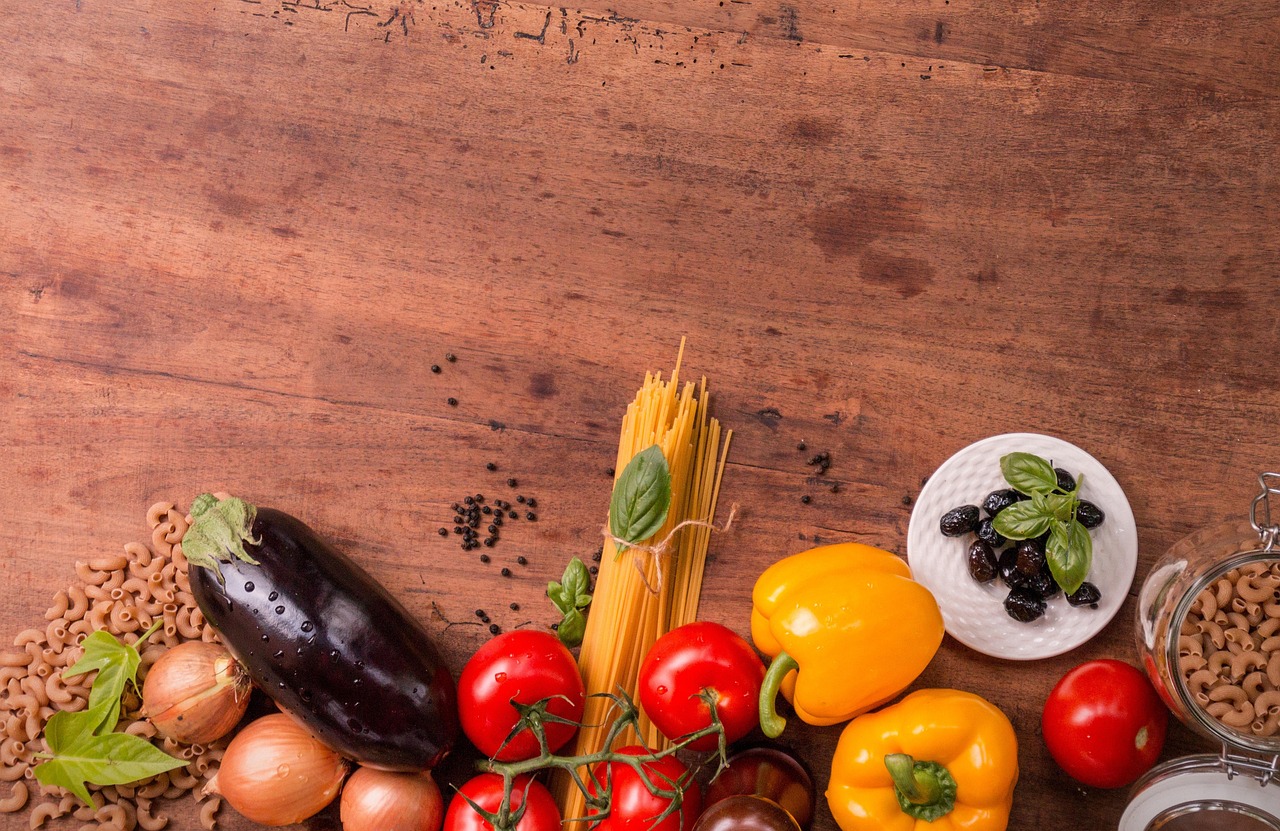
Plant-based eating is no longer a niche trend; it’s a vibrant lifestyle choice embraced for its numerous health benefits, environmental consciousness, and delicious culinary possibilities. Whether you’re a seasoned vegetarian or simply curious about incorporating more meat-free meals into your diet, this guide offers a comprehensive overview of healthy vegetarian meals to inspire your cooking and nourish your body. Let’s dive into the world of flavorful and nutritious vegetarian cuisine.
Understanding Vegetarian Diets and Their Benefits
Defining Vegetarianism
It’s important to first clarify what we mean by “vegetarian.” The term encompasses a spectrum of dietary practices:
- Lacto-ovo vegetarians: Consume dairy products and eggs but avoid meat, poultry, and fish.
- Lacto-vegetarians: Consume dairy products but avoid eggs, meat, poultry, and fish.
- Ovo-vegetarians: Consume eggs but avoid dairy products, meat, poultry, and fish.
- Vegans: Avoid all animal products, including meat, poultry, fish, dairy, eggs, and often honey.
This article focuses primarily on lacto-ovo vegetarian and vegan diets, offering adaptable recipes that can suit either lifestyle.
Health Benefits of Vegetarianism
A well-planned vegetarian diet is often associated with a plethora of health advantages:
- Reduced risk of heart disease: Vegetarian diets tend to be lower in saturated fat and cholesterol, contributing to better cardiovascular health. Studies show vegetarians have a 25% lower risk of heart disease.
- Lower blood pressure: Higher intakes of potassium from fruits and vegetables, and lower sodium intake, can help regulate blood pressure.
- Improved weight management: Vegetarian diets are often naturally lower in calories and higher in fiber, promoting satiety and aiding in weight control.
- Decreased risk of type 2 diabetes: Plant-based diets can improve insulin sensitivity and blood sugar control.
- Reduced risk of certain cancers: High intake of fruits, vegetables, and whole grains has been linked to a lower risk of some cancers.
- Improved digestive health: The high fiber content promotes a healthy gut microbiome.
Essential Nutrients for Vegetarian Diets
Protein Powerhouses
Adequate protein intake is crucial for muscle building, repair, and overall health. Excellent vegetarian protein sources include:
- Legumes: Lentils, chickpeas, beans (black beans, kidney beans, pinto beans), peas. A cup of cooked lentils provides around 18 grams of protein.
- Tofu and Tempeh: Versatile soy products that can be used in a variety of dishes. Tofu contains about 10 grams of protein per half cup, while tempeh offers around 19 grams.
- Quinoa: A complete protein source containing all nine essential amino acids. One cup of cooked quinoa provides about 8 grams of protein.
- Nuts and Seeds: Almonds, walnuts, chia seeds, flax seeds, hemp seeds. A quarter cup of almonds contains approximately 6 grams of protein.
- Dairy (for lacto-ovo vegetarians): Greek yogurt, cottage cheese, milk.
Iron Intake
Iron is essential for carrying oxygen in the blood. Plant-based iron (non-heme iron) is not as readily absorbed as heme iron from animal sources. Therefore, vegetarians need to consume approximately 1.8 times more iron than meat eaters.
- Sources of Iron: Spinach, lentils, beans, fortified cereals, tofu, dried fruits (raisins, apricots).
- Enhance Absorption: Consume iron-rich foods with vitamin C to improve absorption. For example, add lemon juice to your spinach salad or eat oranges with your lentil soup. Avoid drinking tea or coffee with meals as they can inhibit iron absorption.
Vitamin B12
Vitamin B12 is primarily found in animal products, so vegetarians, particularly vegans, are at risk of deficiency.
- Sources of Vitamin B12: Fortified plant-based milks, fortified nutritional yeast, breakfast cereals, B12 supplements.
- Supplementation: Consult with a healthcare professional to determine the appropriate dosage for B12 supplementation. Regular blood tests can help monitor your levels.
Omega-3 Fatty Acids
Omega-3 fatty acids are crucial for brain health and reducing inflammation.
- Sources of Omega-3s: Flax seeds, chia seeds, walnuts, hemp seeds, algae-based supplements.
- ALA Conversion: The body converts ALA (alpha-linolenic acid) from plant sources into EPA and DHA, though the conversion rate can be low. Consider an algae-based supplement for a direct source of EPA and DHA.
Delicious and Nutritious Vegetarian Meal Ideas
Breakfast Boosters
- Overnight Oats: Combine rolled oats, plant-based milk, chia seeds, and your favorite toppings (berries, nuts, seeds, maple syrup) in a jar and refrigerate overnight.
- Tofu Scramble: Crumble firm tofu and sauté with vegetables like bell peppers, onions, and spinach. Season with turmeric for a yellow color and nutritional yeast for a cheesy flavor.
- Smoothies: Blend fruits, vegetables, protein powder, and plant-based milk for a quick and easy breakfast. Try a spinach, banana, and almond milk smoothie.
- Whole-Grain Toast: Top whole-grain toast with avocado, everything bagel seasoning, and a sprinkle of red pepper flakes. Alternatively, spread peanut butter and sliced bananas on toast.
Lunchtime Legends
- Lentil Soup: A hearty and filling soup packed with protein and fiber. Add vegetables like carrots, celery, and onions for added nutrition.
- Quinoa Salad: Combine cooked quinoa with chopped vegetables (cucumber, tomatoes, bell peppers), chickpeas, and a lemon-tahini dressing.
- Veggie Wraps: Spread hummus on whole-wheat tortillas and fill with chopped vegetables, sprouts, and avocado.
- Leftovers: Don’t underestimate the power of leftovers! Reheat dinner from the night before for a quick and easy lunch.
Dinner Delights
- Vegetarian Chili: A flavorful and comforting chili made with beans, vegetables, and spices. Top with avocado, sour cream (or plant-based alternative), and cilantro.
- Vegetable Curry: Sauté vegetables (broccoli, cauliflower, sweet potatoes) in coconut milk and curry paste. Serve with brown rice.
- Black Bean Burgers: Homemade black bean burgers are a delicious and healthy alternative to meat burgers. Serve on whole-wheat buns with your favorite toppings.
- Pasta Primavera: Toss pasta with seasonal vegetables and a light lemon-garlic sauce. Add Parmesan cheese (if lacto-ovo vegetarian) or nutritional yeast for a cheesy flavor.
- Sheet Pan Roasted Vegetables: Toss vegetables (broccoli, bell peppers, zucchini, onions) with olive oil and spices and roast in the oven until tender.
Tips for Successful Vegetarian Meal Planning
Stocking Your Pantry
A well-stocked pantry is essential for easy vegetarian meal preparation:
- Grains: Quinoa, brown rice, oats, whole-wheat pasta.
- Legumes: Lentils, chickpeas, beans (black beans, kidney beans, pinto beans).
- Nuts and Seeds: Almonds, walnuts, chia seeds, flax seeds, hemp seeds.
- Canned Goods: Diced tomatoes, beans, vegetable broth.
- Spices and Herbs: Turmeric, cumin, coriander, paprika, oregano, basil.
- Oils: Olive oil, coconut oil, avocado oil.
Planning Your Meals
- Weekly Meal Plan: Take some time each week to plan your meals and create a grocery list. This will help you stay organized and ensure you have all the ingredients you need.
- Batch Cooking: Cook large batches of grains, beans, or soups on the weekend and store them in the refrigerator or freezer for easy meals during the week.
- Theme Nights: Designate specific nights for certain cuisines or types of meals (e.g., Taco Tuesday, Pasta Night). This can make meal planning easier.
- Explore Recipes: Don’t be afraid to try new recipes and experiment with different flavors and ingredients. There are countless vegetarian recipes available online and in cookbooks.
Mindful Eating
- Pay Attention to Portion Sizes: Be mindful of how much you’re eating and avoid overeating.
- Eat Slowly and Savor Your Food: Take the time to enjoy your meals and pay attention to the flavors and textures.
- Listen to Your Body’s Hunger Cues: Eat when you’re hungry and stop when you’re full.
- Stay Hydrated: Drink plenty of water throughout the day.
Conclusion
Embracing a healthy vegetarian lifestyle is a rewarding journey filled with delicious food and numerous health benefits. By understanding the essential nutrients, planning your meals effectively, and exploring diverse culinary options, you can easily create a vibrant and nourishing vegetarian diet that supports your overall well-being. Start incorporating these tips and recipes into your routine and enjoy the incredible flavors and advantages of plant-based eating!